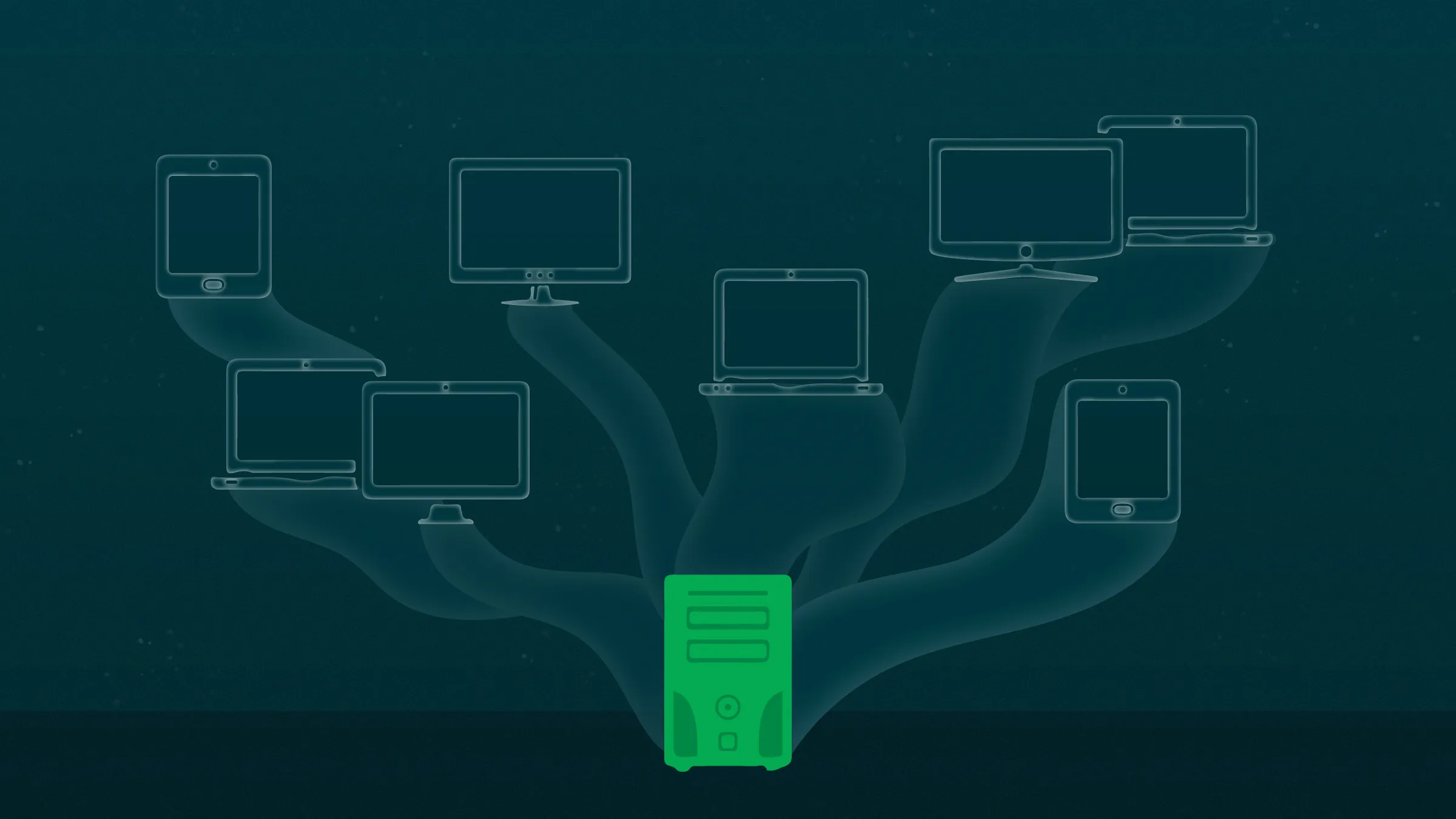
The Evolution Journey of Virtualization
Virtualization technology has undergone dramatic evolution over the past 20 years:
Generation 1 - Server Virtualization (2000-2010)
Converting physical servers to virtual machines with hypervisors like VMware, Hyper-V, and KVM
Generation 2 - Desktop and Network Virtualization (2010-2015)
Widespread adoption of VDI solutions and Software-Defined Networking (SDN) technologies
Generation 3 - Containers and Microservices (2015-2020)
Adoption of Docker, Kubernetes, and microservice architecture
Generation 4 - Hybrid and Multi-Cloud (2020-2025)
Cloud-native applications, serverless computing, and edge computing integration
Modern Virtualization Strategies
Hyperconverged Infrastructure (HCI)
HCI reduces management complexity by combining compute, storage, and network resources on a single platform. In 2025, HCI solutions:
- Offer AI-powered automatic resource optimization
- Provide seamless workload migration with hybrid cloud integration
- Include built-in disaster recovery and backup features
- Support edge computing scenarios
Container Orchestration
While Kubernetes has become the de facto standard, new trends are emerging:
- Advanced microservice management with Service Mesh (Istio, Linkerd)
- Declarative infrastructure management with GitOps approach
- Event-driven applications with Serverless Kubernetes (Knative)
- Multi-cluster management and federation
Hybrid Cloud Integration
Hybrid cloud strategy aims for the optimal combination of on-premise and public cloud resources:
Workload Placement Optimization
- Critical and regulated data: On-premise
- Variable load applications: Public cloud
- Development and test environments: Cloud-native platforms
- Edge computing needs: Distributed infrastructure
Cloud Management Platforms
Modern CMPs provide:
- Multi-cloud cost optimization
- Unified governance and compliance
- Automated workload migration
- Real-time performance monitoring
Security and Compliance Strategies
Security in virtualized environments requires a layered approach:
Zero Trust Architecture
- Preventing lateral movement with micro-segmentation
- Identity-based access control
- Continuous verification and monitoring
- Encrypted data in transit and at rest
Compliance Automation
- Policy-as-code approach
- Automated compliance scanning
- Real-time audit trails
- GDPR, KVKK, and industry regulation compliance
Performance Optimization and Monitoring
Performance management is critical in modern virtualization platforms:
Resource Management
- Dynamic resource allocation
- NUMA optimization
- Storage tiering and caching
- Network function virtualization (NFV)
Monitoring and Analytics
- Application Performance Management (APM)
- Infrastructure monitoring
- Log aggregation and analysis
- Predictive analytics and anomaly detection
Cost Management and ROI
Returns on virtualization investments:
Direct Savings
- 40-60% reduction in hardware costs
- 50-70% decrease in energy consumption
- 60-80% reduction in data center space requirements
- 20-30% savings through license optimization
Indirect Benefits
- 90% reduction in deployment times
- 85% decrease in unplanned downtime
- 40% increase in IT team productivity
- Business continuity and disaster recovery improvement
Future Trends and Technologies
Technologies that will shape virtualization in 2025 and beyond:
Quantum-Safe Virtualization
Secure virtualization infrastructure against quantum computer threats
AI-Driven Automation
Autonomic system management and self-healing infrastructure with artificial intelligence
Edge-Native Virtualization
Lightweight virtualization solutions optimized for 5G and IoT
Sustainable Computing
Carbon-aware workload scheduling and green computing initiatives
Implementation Best Practices
Critical steps for successful virtualization projects:
1. Assessment and Planning
- Current infrastructure analysis
- Workload characterization
- ROI and TCO calculations
- Risk assessment
2. Pilot and Proof of Concept
- Small-scale test environment
- Performance benchmarking
- Security validation
- User acceptance testing
3. Migration Strategy
- Phased migration approach
- Rollback plans
- Data migration and validation
- Minimal downtime strategy
4. Optimization and Tuning
- Continuous monitoring
- Performance optimization
- Cost optimization
- Security hardening